
Introduction
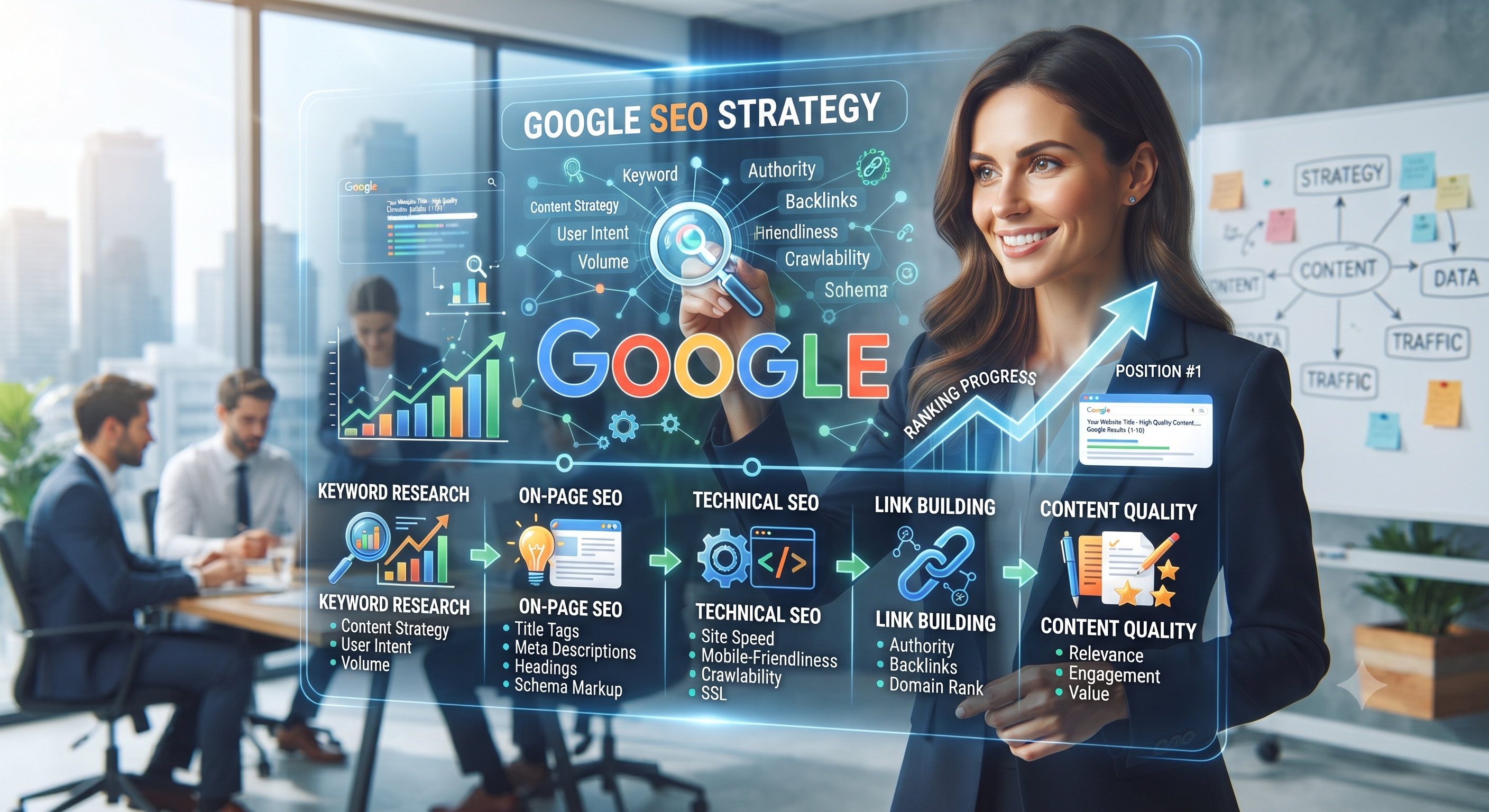
On-Page SEO is the foundation of every successful search engine optimization strategy. It focuses on optimizing individual web pages so they can rank higher on search engines such as Google and Bing. By improving page content, HTML elements, and website structure, businesses can increase organic traffic, improve user experience, and attract potential customers. A properly optimized webpage is easier for search engines to understand and more valuable to visitors.
What Is On-Page SEO?
On-Page SEO refers to all optimization techniques performed directly on a website to improve its visibility in search engine results. Unlike Off-Page SEO, which focuses on backlinks and external signals, On-Page SEO involves optimizing page titles, meta descriptions, headings, content, images, URLs, and internal links. These improvements help search engines understand your content while providing users with a better browsing experience.
Why Is On-Page SEO Important?
Search engines analyze website content to determine whether it matches a user's search query. Proper On-Page SEO helps search engines identify the purpose of a webpage and rank it accordingly. Well-optimized pages also improve readability, reduce bounce rates, and encourage visitors to spend more time exploring your website.
Benefits of On-Page SEO
- Improve Google search rankings.
- Increase organic website traffic.
- Enhance user experience.
- Improve website loading performance.
- Increase click-through rates.
- Generate high-quality leads.
- Boost website credibility and authority.
Optimize Title Tags and Meta Descriptions
The title tag is one of the most important ranking factors in SEO. It should clearly describe the page while including the primary keyword naturally. A compelling meta description encourages users to click on your website in search results, improving the click-through rate and attracting more visitors.
Create High-Quality Content
Content is the heart of On-Page SEO. Every page should provide useful, original, and informative content that answers user questions. Use headings to organize information, include relevant keywords naturally, and avoid keyword stuffing. Well-written content keeps visitors engaged and increases the likelihood of ranking for multiple search queries.
Optimize Images
Images improve the visual appeal of a webpage, but they should also be optimized for search engines. Compress image sizes to improve loading speed, use descriptive file names, and add meaningful alt text that accurately describes each image. Optimized images improve accessibility and contribute to better SEO performance.
Use Internal Linking
Internal links connect related pages within your website. They help search engines discover new content and distribute page authority throughout the website. Internal linking also encourages visitors to explore additional pages, increasing engagement and reducing bounce rates.
Improve Website Speed
Website speed is a confirmed ranking factor. Slow-loading pages can frustrate users and reduce conversions. Optimizing images, enabling browser caching, minimizing unnecessary scripts, and using reliable hosting improve page performance and provide a better browsing experience.
Best Practices for On-Page SEO
- Use one H1 heading per page.
- Organize content with H2 and H3 headings.
- Write unique meta titles and descriptions.
- Optimize images with descriptive alt text.
- Create SEO-friendly URLs.
- Use keywords naturally throughout the content.
- Keep content updated and relevant.
- Improve page speed and mobile responsiveness.
Conclusion
On-Page SEO is one of the most effective ways to improve website visibility and achieve higher search engine rankings. By optimizing titles, headings, content, images, URLs, and internal links, businesses can increase organic traffic, provide a better user experience, and generate more qualified leads. Consistently applying On-Page SEO best practices helps websites remain competitive and achieve long-term online success.
Add Comments